Welcome to the easiest way to learn traditional chants



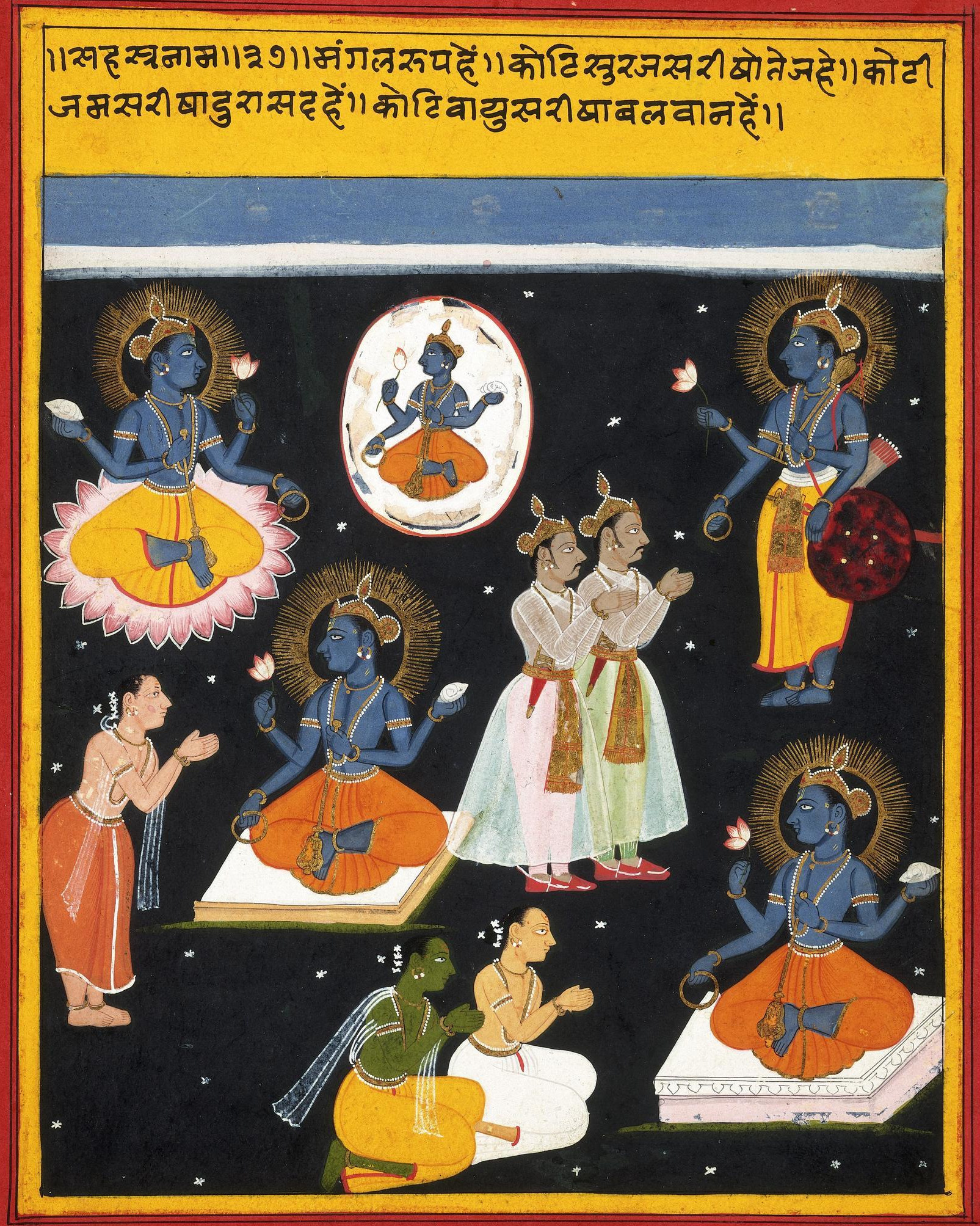
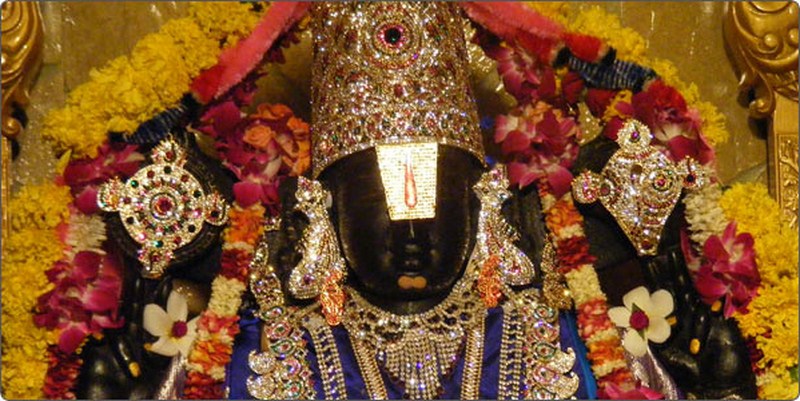
Vishnu Sahasranāma, is a Sanskrit hymn which contains a list of 1,000 names of Vishnu, one of the main deities in Hinduism and the supreme God in Vaishnavism. It is one of the most sacred and popular stotras in Hinduism. The Vishnu Sahasranāma is found in the Anushasana Parva of the epic Mahabharata.
Your Guru: This chapter has been chanted by Dr Gita S Dattatri, who started learning The Bhagavad Gita under the tutelage of her grandfather, at the tender age of five. She has taught the Gita to students of all ages even as a teenager. She has also been judging Gita competitions held for children for 30 years now. This experience has helped hone her teaching skills.
About the lesson: The text is available in English (with diacritical marks), Telugu as well as in the original Devanagari. The stotram is divided into easy lesson plans that allow you to learn a little bit at a time! To begin with, listen to the chants. Once you become reasonably familiar, you can then repeat with the narrator.
Translation of each name of Vishnu is available for those interested. The glory of Vishnu and his myriad forms are described. For those who may want to delve deeper, there are several other works of translation available on the 'net.
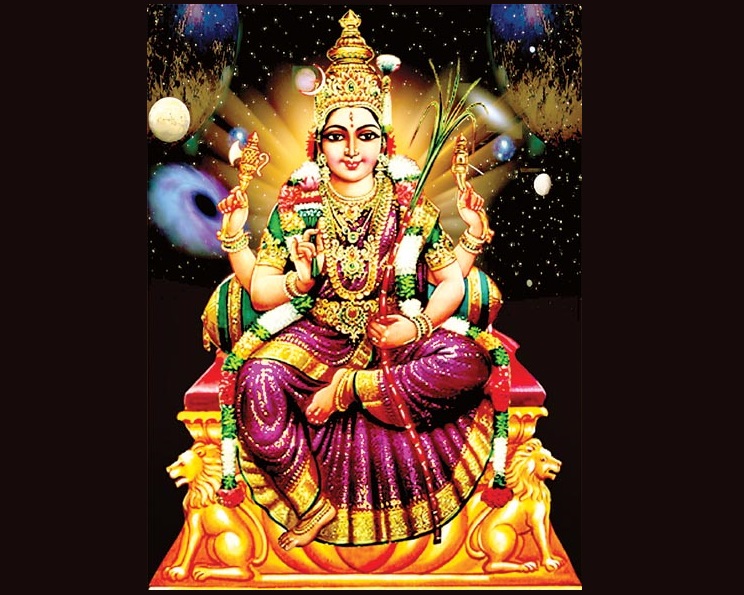
Lalita Sahasranama (IAST: lalitāsahasranāma) (Sanskrit: ललिता सहस्रनाम), is a Hindu text from the Brahmanda Purana. The Lalita Sahasranama is the thousand names of the Hindu mother goddess Lalita. It is a sacred text for the Hindu worshippers of the Goddess Lalita Devi, who considered to be a manifestation of the Divine Mother (Shakti), and the text is therefore used in the worship of Durga, Parvati, Kali, Lakshmi, Saraswati, Bhagavati, etc. as well. A principal text of Shakti worshipers, it names the goddess's various attributes in the form of names organized in a hymn. This sahasranama is used in various modes for the worship of the Divine Mother like parayana (recitations), archana, and homa.
Your Guru: This chapter has been chanted by Dr Gita S Dattatri, who started learning The Bhagavad Gita under the tutelage of her grandfather, at the tender age of five. She has taken part in several Gita recitation competitions and won prizes and accolades. Her transition was smooth—from participant to judge. She has been judging Gita competitions held for children for 30 years now.
About the lesson: The text is available in English (with diacritical marks), Telugu as well as in the original Devanagari. The stotram is divided into easy lesson plans that allow you to learn a little bit at a time! To begin with, listen to the chants. Once you become reasonably familiar, you can then repeat with the narrator.
Translation of each name of the goddess is available for those interested. The glory and beauty of the Devi and her myriad forms are described. For those who may want to delve deeper, there are several other works of translation available on the 'net.
This title is the first chapter of The Bhagavad Gita, named Arjunavishadayoga (The despondency of Arjuna). It consists of 47 slokas.
Your Guru:This chapter has been chanted by Dr Gita S Dattatri, who started learning The Bhagavad Gita under the tutelage of her grandfather, at the tender age of five. She has taught the Gita to students of all ages even as a teenager. She has also been judging Gita competitions held for children for 30 years now. This experience has helped hone her teaching skills.
About the lesson:This title has been divided into 5 lessons of about 10 slokas each, so as to help you to pace your learning. The text is available in English (with diacritical marks), Telugu as well as in the original Devanagari.
Translation of the entire chapter is also available for those interested in understanding the meaning of each of the verses. This translation has been done by Dr Annie Besant, the famous theosophist, and is also available in the public domain. For those who may want to delve deeper, there are several other works of translation available on the 'net as well as discourses that expound the profound philosophy contained in The Bhagavad Gita.
This title is the second chapter of The Bhagavad Gita, named Sankhyayoga (The way of discrimination). It consists of 72 slokas.
Your Guru:This chapter has been chanted by Dr Gita S Dattatri, who started learning The Bhagavad Gita under the tutelage of her grandfather, at the tender age of five. She has taught the Gita to students of all ages even as a teenager. She has also been judging Gita competitions held for children for 30 years now. This experience has helped hone her teaching skills.
About the lessons: This title has been divided into 7 lessons of about 10 slokas each. You could start with the first lesson and once you have memorized it, you can move on to the next. The text is available in English (with diacritical marks), Telugu as well as in the original Devanagari.
Translation of the entire chapter is also available for those interested in learning the meaning of each of the verses. This translation has been done by Dr. Annie Besant, the famous theosophist, and is also available in the public domain.
For those who may want to learn more, there are several other works of translation available on the 'net as well as discourses that delve into the profound philosophy contained in The Bhagavad Gita.
This title is the third chapter of The Bhagavad Gita, named Karmayoga (The way of action). It consists of 43 slokas.
Your Guru: This chapter has been chanted by Dr Gita S Dattatri, who started learning The Bhagavad Gita under the tutelage of her grandfather, at the tender age of five. She has taught the Gita to students of all ages even as a teenager. She has also been judging Gita competitions held for children for 30 years now. This experience has helped hone her teaching skills.
About the lesson: This title has been divided into 4 lessons of roughly 10 slokas each. The text is available in English (with diacritical marks), Telugu as well as in the original Devanagari.
Translation of the entire chapter is also available for those interested in understanding the meaning of each of the verses. This translation has been done by Dr Annie Besant, the famous theosophist, and is also available in the public domain. For those who may want to delve deeper, there are several other works of translation available on the 'net as well as discourses that expound the profound philosophy contained in The Bhagavad Gita.
This title is the fourth chapter of The Bhagavad Gita, named Gnyanakarmasanyasayoga (The way of knowledge). It consists of 42 slokas.
Your Guru: This chapter has been chanted by Dr Gita S Dattatri, who started learning The Bhagavad Gita under the tutelage of her grandfather, at the tender age of five. She has taught the Gita to students of all ages even as a teenager. She has also been judging Gita competitions held for children for 30 years now. This experience has helped hone her teaching skills.
About the lesson: This title is divided into 4 easy paced lessons. The text is available in English (with diacritical marks), Telugu as well as in the original Devanagari.
Translation of the entire chapter is also available for those interested in understanding the meaning of each of the verses. This translation has been done by Dr Annie Besant, the famous theosophist, and is also available in the public domain. For those who may want to delve deeper, there are several other works of translation available on the 'net as well as discourses that expound the profound philosophy contained in The Bhagavad Gita.
This title is the fifth chapter of The Bhagavad Gita, named Sanyasayoga (Renunciation of action). It consists of 29 slokas.
Your Guru: This chapter has been chanted by Dr Gita S Dattatri, who started learning The Bhagavad Gita under the tutelage of her grandfather, at the tender age of five. She has taught the Gita to students of all ages even as a teenager. She has also been judging Gita competitions held for children for 30 years now. This experience has helped hone her teaching skills.
About the lesson:This title is divided into 3 lessons of 10 slokas each. The text is available in English (with diacritical marks), Telugu as well as in the original Devanagari.
Translation of the entire chapter is also available for those interested in understanding the meaning of each of the verses. This translation has been done by Dr Annie Besant, the famous theosophist, and is also available in the public domain. For those who may want to delve deeper, there are several other works of translation available on the 'net as well as discourses that expound the profound philosophy contained in The Bhagavad Gita.
This title is the sixth chapter of The Bhagavad Gita, named Dhyanayoga or Adhyathmayoga (The way of contemplation). It consists of 47 slokas.
Your Guru: This chapter has been chanted by Dr Gita S Dattatri, who started learning The Bhagavad Gita under the tutelage of her grandfather, at the tender age of five. She has taught the Gita to students of all ages even as a teenager. She has also been judging Gita competitions held for children for 30 years now. This experience has helped hone her teaching skills.
About the lesson: The text is available in English (with diacritical marks), Telugu as well as in the original Devanagari.
Translation of the entire chapter is also available for those interested in understanding the meaning of each of the verses. This translation has been done by Dr Annie Besant, the famous theosophist, and is also available in the public domain. For those who may want to delve deeper, there are several other works of translation available on the 'net as well as discourses that expound the profound philosophy contained in The Bhagavad Gita.
This title is the seventh chapter of The Bhagavad Gita, named GYānaviGYāna yoga (the yoga of discriminative knowledge). It consists of 30 slokas.
Your Guru: This chapter has been chanted by Dr Gita S Dattatri, who started learning The Bhagavad Gita under the tutelage of her grandfather, at the tender age of five. She has taught the Gita to students of all ages even as a teenager. She has also been judging Gita competitions held for children for 30 years now. This experience has helped hone her teaching skills.
About the lesson: This title has been divided into 3 lessons. The text is available in English (with diacritical marks), Telugu as well as in the original Devanagari.
Translation of the entire chapter is also available for those interested in understanding the meaning of each of the verses. This translation has been done by Dr Annie Besant, the famous theosophist, and is also available in the public domain. For those who may want to delve deeper, there are several other works of translation available on the 'net as well as discourses that expound the profound philosophy contained in The Bhagavad Gita.
This title is the eighth chapter of The Bhagavad Gita, named akśharabrahmayoga (the yoga of indestructible supreme eternal). It consists of 28 slokas.
Your Guru: This chapter has been chanted by Dr Gita S Dattatri, who started learning The Bhagavad Gita under the tutelage of her grandfather, at the tender age of five. She has taught the Gita to students of all ages even as a teenager. She has also been judging Gita competitions held for children for 30 years now. This experience has helped hone her teaching skills.
About the lesson: This title has been divided into 3 lessons. The text is available in English (with diacritical marks), Telugu as well as in the original Devanagari.
Translation of the entire chapter is also available for those interested in understanding the meaning of each of the verses. This translation has been done by Dr Annie Besant, the famous theosophist, and is also available in the public domain. For those who may want to delve deeper, there are several other works of translation available on the 'net as well as discourses that expound the profound philosophy contained in The Bhagavad Gita.
This title is the ninth chapter of The Bhagavad Gita, named rājavidyārājaguhyayoga(The yoga of the kingly science and the kingly secret). It consists of 34 slokas.
Your Guru: This chapter has been chanted by Dr Gita S Dattatri, who started learning The Bhagavad Gita under the tutelage of her grandfather, at the tender age of five. She has taught the Gita to students of all ages even as a teenager. She has also been judging Gita competitions held for children for 30 years now. This experience has helped hone her teaching skills.
About the lesson: This title has been divided into 4 lessons. The text is available in English (with diacritical marks), Telugu as well as in the original Devanagari.
Translation of the entire chapter is also available for those interested in understanding the meaning of each of the verses. This translation has been done by Dr Annie Besant, the famous theosophist, and is also available in the public domain. For those who may want to delve deeper, there are several other works of translation available on the 'net as well as discourses that expound the profound philosophy contained in The Bhagavad Gita.
This title is the ninth chapter of The Bhagavad Gita, named vibhūtiyogo (The yoga of Sovereignty). It consists of 42 slokas.
Your Guru: This chapter has been chanted by Dr Gita S Dattatri, who started learning The Bhagavad Gita under the tutelage of her grandfather, at the tender age of five. She has taught the Gita to students of all ages even as a teenager. She has also been judging Gita competitions held for children for 30 years now. This experience has helped hone her teaching skills.
About the lesson: This title has been divided into 4 lessons. The text is available in English (with diacritical marks), Telugu as well as in the original Devanagari.
Translation of the entire chapter is also available for those interested in understanding the meaning of each of the verses. This translation has been done by Dr Annie Besant, the famous theosophist, and is also available in the public domain. For those who may want to delve deeper, there are several other works of translation available on the 'net as well as discourses that expound the profound philosophy contained in The Bhagavad Gita.